
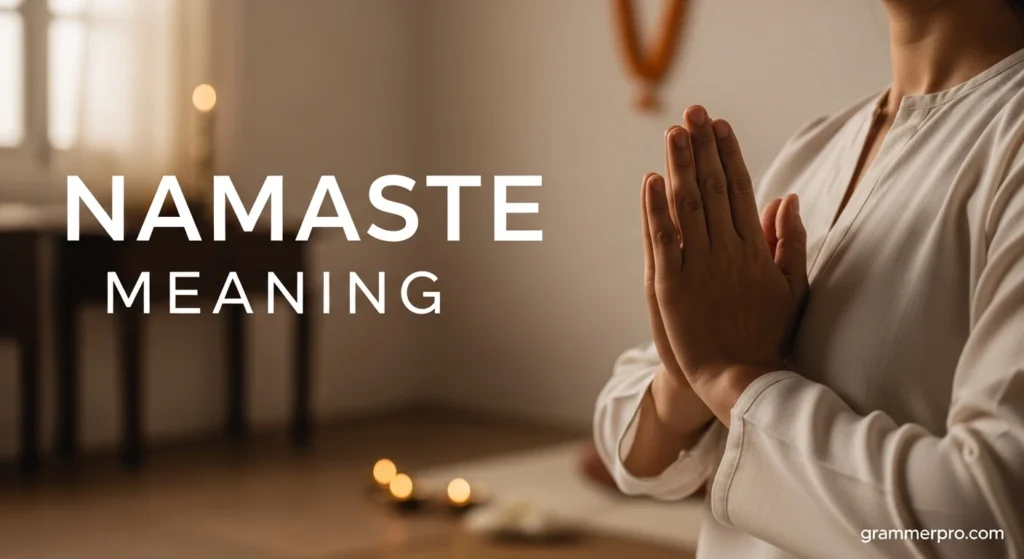
Have you ever seen someone type or say “namaste” in a chat or on social media and wondered what it really means? With the rise of online communication, many words and expressions from different cultures are popping up in text messages, Instagram captions, TikTok videos, and even Snapchat stories. People search for this term to understand whether it’s just a polite greeting, a cultural reference, or something more casual or flirty in digital conversation. Knowing these nuances helps avoid misunderstandings, keeps conversations smooth, and even makes online interactions more respectful and friendly. Whether you’re chatting with friends, meeting someone new online, or just exploring internet slang, understanding this term can make your digital communication feel more confident and informed.
What Does “Namaste” Mean in Texting and Online Chats?
In online conversations, this term is often used as a friendly or respectful greeting. While its roots are traditional and cultural, in texting it has become casual, much like saying “hello” or “hi” in a thoughtful way.
Short Meaning:
- A polite, respectful greeting.
- Can indicate acknowledgment, gratitude, or friendliness.
Full Meaning:
- Traditionally, it means “I bow to you” or “the divine in me honors the divine in you.”
- In chats, it conveys respect or warmth toward the person you’re messaging.
Origins and Rise in Popularity
The expression originates from India and has been used in Hindu, Buddhist, and other South Asian cultures for centuries. Traditionally, it is spoken with a slight bow and hands pressed together in front of the chest.
Its rise in online chats came with globalization, social media platforms, and yoga culture. Many users adopted it in texts and social media posts as:
- A mindful greeting
- A casual “hello” with a spiritual undertone
- A playful or flirty sign-off in friendly conversations
How “Namaste” Is Used in Real-Life Conversations
Here are some examples of natural chat usage:
- WhatsApp: Friend: “Hey, just wanted to check in!” You: “Namaste! How’s it going?”
- Instagram: Caption: “Morning vibes ☀️ Namaste everyone!”
- TikTok: Comment: “Namaste! This dance is amazing 😍”
- Snapchat: Snap: “Namaste 🙏” (used as a greeting sticker or short text)
In each case, it conveys friendliness, respect, or a peaceful tone rather than just a literal bow.
Common Misunderstandings and Incorrect Interpretations
Many people confuse this term with:
- A casual slang like “hey” (it’s more respectful)
- A romantic or flirty expression (context matters; it’s generally neutral)
- A religious-only term (it’s widely accepted culturally as a greeting)
What it does NOT mean:
- A demand for attention or intimacy
- An expression of romantic interest by default
Similar Slang Terms and Alternatives
If you want alternatives or related expressions in chats, you could use:
- Hello / Hi / Hey – casual and universal
- Greetings – formal, polite
- Peace ✌️ – friendly, informal
- Salaam / Shalom / Aloha – culturally respectful greetings from other regions
How to Reply When Someone Uses It
Depending on context and tone:
- Polite response: “Namaste! Hope you’re doing well 🙏”
- Casual reply: “Hey! Namaste 😄”
- Flirty tone (if appropriate): “Namaste 😉”
- Boundary-respecting reply: Keep it simple: “Namaste 🙏” or “Hello!”
Remember, matching the tone is key to a smooth conversation.
Current Usage and Popularity
While not as trendy as some Gen-Z slang, this greeting remains popular on platforms with global users and among those who appreciate mindfulness, yoga culture, or polite digital communication. Its use is more common in Instagram captions, TikTok videos with wellness content, and friendly WhatsApp or Snapchat messages.
People Also Ask – FAQ
Q1: Can I use this term in casual texts with friends? Yes! It works in casual conversations and shows friendliness or respect.
Q2: Is it appropriate to use in professional chats? Yes, especially in multicultural or global contexts. It’s seen as polite and respectful.
Q3: Does it have a romantic meaning? Not inherently. Any flirty undertone depends on context and relationship.
Q4: Is it only for Indian users? No, it’s widely recognized globally, especially in online communities.
Q5: How do I type it correctly? Just type “namaste” in lowercase or capitalized at the start of a sentence—it’s universally understood.
Conclusion
Understanding this greeting helps you navigate digital communication with respect and friendliness. While rooted in tradition, its use in texting and social media has made it a versatile, polite, and culturally aware way to say hello. By recognizing its meaning, usage, and appropriate replies, you can confidently include it in your chats, captions, and comments without confusion or misinterpretation. Whether you’re connecting with friends, followers, or new acquaintances, this term adds a touch of respect and mindfulness to your digital interactions.

Olivia Hayes is a digital writing consultant who specializes in grammar for online content. She believes that correct grammar enhances credibility and readability. On GrammerPro, Olivia shares easy-to-follow writing tips for bloggers and professionals alike.