
Similes for Trees
Similes are a powerful part of figurative language. They help us describe people, objects, emotions, and scenes by comparing them […]

Similes are a powerful part of figurative language. They help us describe people, objects, emotions, and scenes by comparing them […]
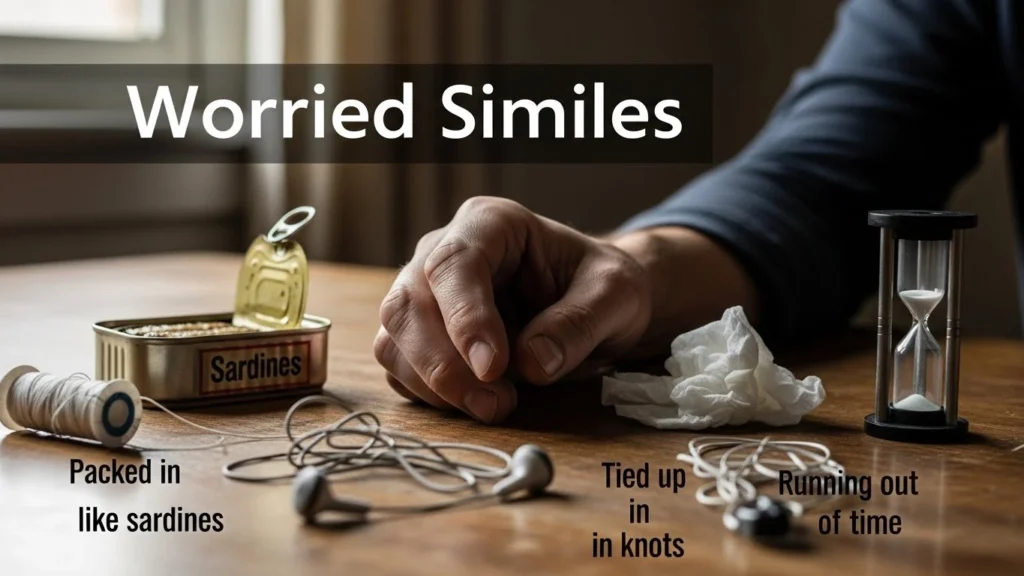
Similes are a powerful part of figurative language. They help us explain feelings by comparing them to something familiar, using

Similes are a powerful part of figurative language. They help us describe things more clearly by comparing one idea to
Similes are a key part of figurative language. They help us describe actions, feelings, and experiences by comparing them to
Similes for Falling Read More »
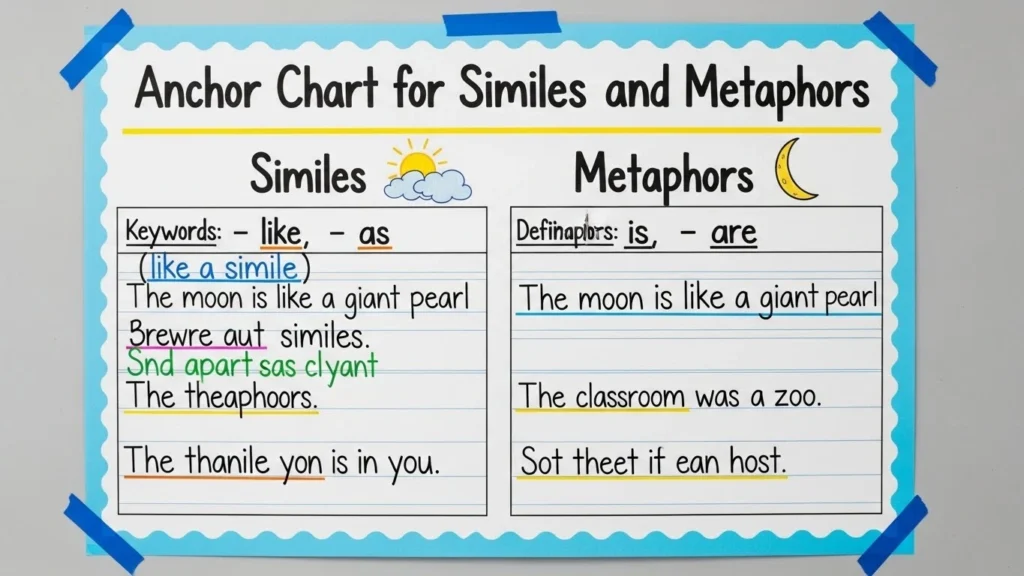
Similes are one of the most popular and easiest forms of figurative language. A simile compares two unlike things using
Anchor Chart for Similes and Metaphors Read More »

Similes are a powerful part of figurative language. They help us explain ideas, emotions, and situations by comparing one thing
Silence is never truly empty—it can feel heavy, peaceful, awkward, or even terrifying. Writers and speakers often struggle to describe
Similes for Silent Read More »

Peace has a feeling we all recognize—but often struggle to describe. That’s where similes shine. A simile is a figure
Similes for Peaceful Read More »

Similes are a powerful part of figurative language. They help us explain feelings, actions, and qualities by comparing them to

Similes are a fun and powerful part of figurative language. They help kids understand ideas, feelings, and descriptions by comparing