
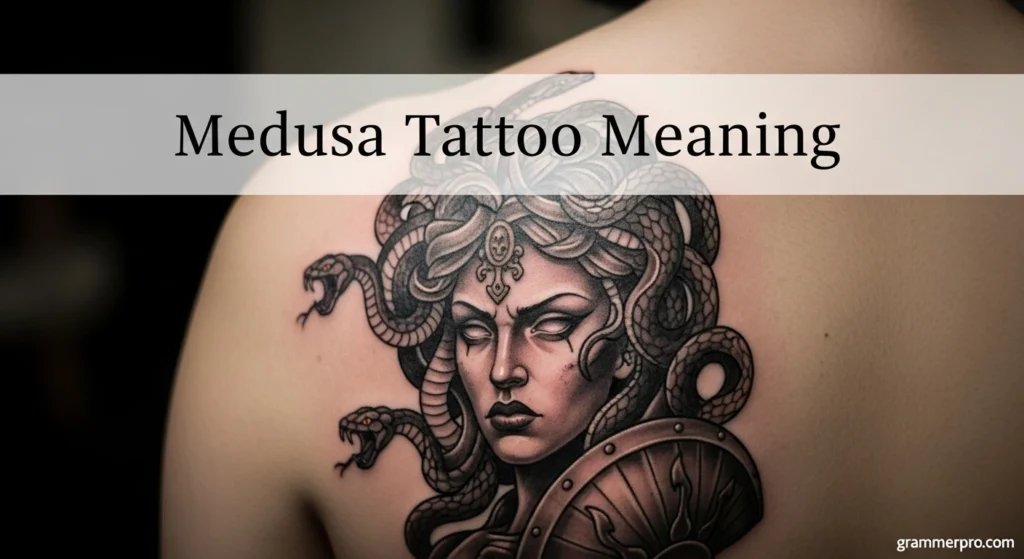
Understanding symbols and phrases that appear online has become an important part of modern communication. People often search for certain terms because they see them trending on social media, in comments, or in images shared across platforms like Instagram or TikTok. Sometimes these symbols are connected to history, mythology, or internet culture, which can make them confusing for beginners.
When a design suddenly becomes popular online, many users want to understand what message it sends or why people choose it. Learning the background behind these symbols helps people avoid misunderstandings and better understand digital conversations. In today’s connected world, even something like a tattoo design can carry deeper cultural, emotional, or social meaning that spreads through online communities.
Is This a Slang Term or Internet Expression?
This is not a slang word, texting shortcut, or internet abbreviation.
Instead, it is a visual symbol rooted in mythology that has gained modern meaning through tattoos, social media, and personal storytelling. Unlike slang terms that change meaning depending on context or platform, this symbol carries emotional and cultural significance rather than a casual chat-based definition.
However, people often talk about it online, which can make it feel like internet slang—even though it isn’t.
Short Meaning vs. Deeper Interpretation
The Short Meaning (Modern Use)
In modern tattoo culture, this symbol is commonly associated with:
- Survival
- Protection
- Reclaiming power
- Standing up against harm or injustice
Many people choose it to represent strength after trauma or hardship.
The Deeper Meaning (Mythological Roots)
Historically, Medusa comes from Greek mythology. She was transformed into a monster whose gaze could turn people to stone. Over time, modern interpretations have shifted the narrative, seeing her as:
- A victim who was punished unfairly
- A figure of female rage and resilience
- A symbol of protection against evil
This reinterpretation is why the design resonates strongly today.
Origin and Rise in Popularity Online
Where It Comes From
- Greek mythology (ancient origins)
- Classical art and literature
- Feminist reinterpretations in modern culture
Why It Became Popular Again
- Social media storytelling
- Tattoo artists sharing personal meanings
- Discussions around empowerment and survival
- Viral TikTok and Instagram posts explaining symbolic tattoos
As more people shared their personal stories, the symbol gained emotional weight online.
How People Talk About It in Online Conversations
Although it isn’t slang, people often discuss it casually in chats.
Example Conversations
Friend: “Did you see her tattoo? It’s Medusa.” You: “Yeah, it usually represents strength or protection.”
Comment Section: “She explained it in her caption—really powerful meaning.”
These conversations focus on symbolism, not shorthand language.
Platform-Specific Usage Explained
- Usually discussed in private chats
- Often tied to personal stories
- Example: “She got it to symbolize healing.”
- Common in tattoo photos and captions
- Often explained in long posts or reels
- Used with empowerment hashtags
TikTok
- Popular in storytelling videos
- Creators explain personal reasons behind the design
- Sometimes misunderstood by viewers, leading to debates
Snapchat
- Mentioned casually in chats or stories
- Less explanation, more visual reference
What It Does NOT Mean (Common Misunderstandings)
Many people assume incorrect meanings. Let’s clear those up.
It does not mean:
- A gang sign
- A curse or evil symbol
- A secret code word
- A flirtatious or romantic signal
- Internet slang or Gen-Z shorthand
It is not something you “use” in a sentence like slang.
Similar Symbols and Related Concepts
If you’re interested in symbolic tattoos, people often compare it to:
- Phoenix (rebirth)
- Snake (transformation)
- Lioness (strength)
- Protective eye symbols
- Warrior goddess imagery
These symbols share themes of power and survival.
Read More: https://grammerpro.com/333-meaning/
How to Reply When Someone Mentions It
Because the topic can be personal, responses should be thoughtful.
Polite Responses
- “That symbol has a really deep meaning.”
- “It represents strength for many people.”
Casual Responses
- “Yeah, it’s a powerful design.”
- “A lot of people choose it for personal reasons.”
Flirty (Only if Appropriate)
- “It’s bold—just like you.”
- “That tattoo definitely makes a statement.”
Boundary-Respecting Responses
- “If you’re comfortable sharing, I’d love to hear the story.”
- “You don’t have to explain if it’s personal.”
Is It Still Popular Today?
Yes, it remains highly relevant.
- Frequently seen in modern tattoo culture
- Still trending on visual platforms
- Strong presence in Gen-Z and millennial communities
- Continues to evolve through personal storytelling
Rather than fading, its meaning has become more nuanced and respected.
People Also Ask (FAQ)
Is this considered internet slang?
No, it is a symbolic image, not a slang term or abbreviation.
Why do people associate it with empowerment?
Modern interpretations focus on reclaiming power and resilience.
Is it offensive to ask someone about it?
Not necessarily, but it’s best to ask respectfully.
Do all people with this tattoo share the same meaning?
No, the meaning is personal and can vary.
Is it linked to feminism?
Often yes, but not always—it depends on the individual.
Conclusion
The Medusa tattoo has grown from an ancient mythological figure into a powerful modern symbol. While the original story portrays a fearsome creature, modern interpretations often focus on strength, resilience, and transformation. Social media platforms have helped spread awareness of the design, making it a widely discussed topic in online communities and tattoo culture.
Whether someone chooses the design for mythology, artistic style, or personal symbolism, understanding its background helps avoid confusion and encourages respectful conversations. By knowing the history and modern interpretations, readers can confidently understand the symbolism and respond thoughtfully when they encounter discussions about this tattoo online.

David Langford is a language expert and grammar enthusiast with over 10 years of teaching experience. He specializes in simplifying complex grammar rules and helping writers express ideas with clarity. At GrammerPro, David shares practical guides for mastering English usage.